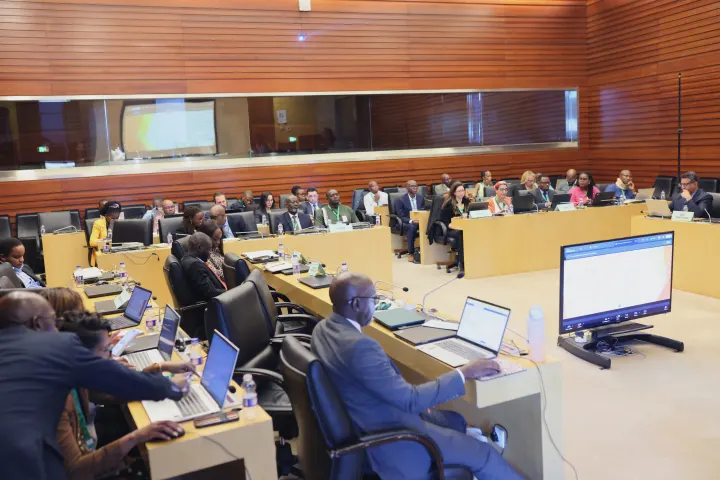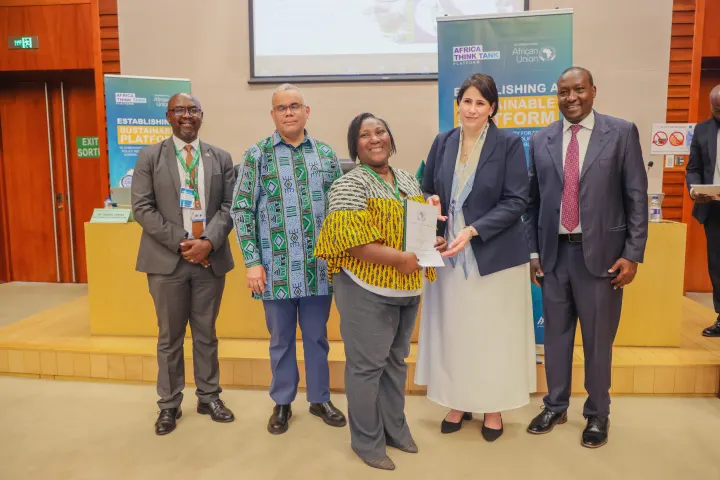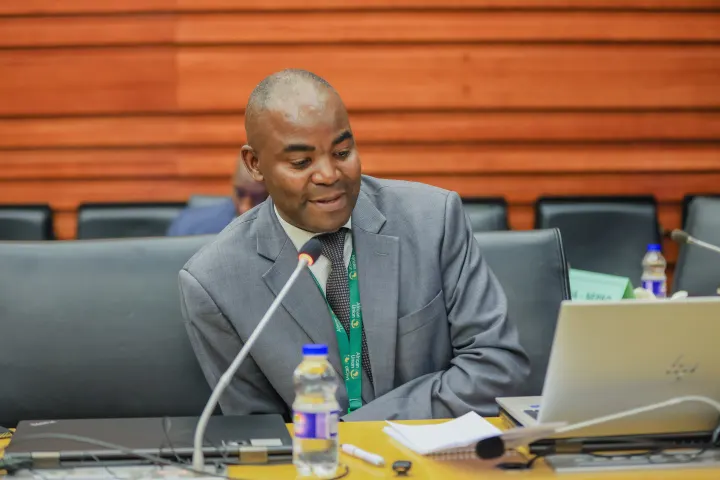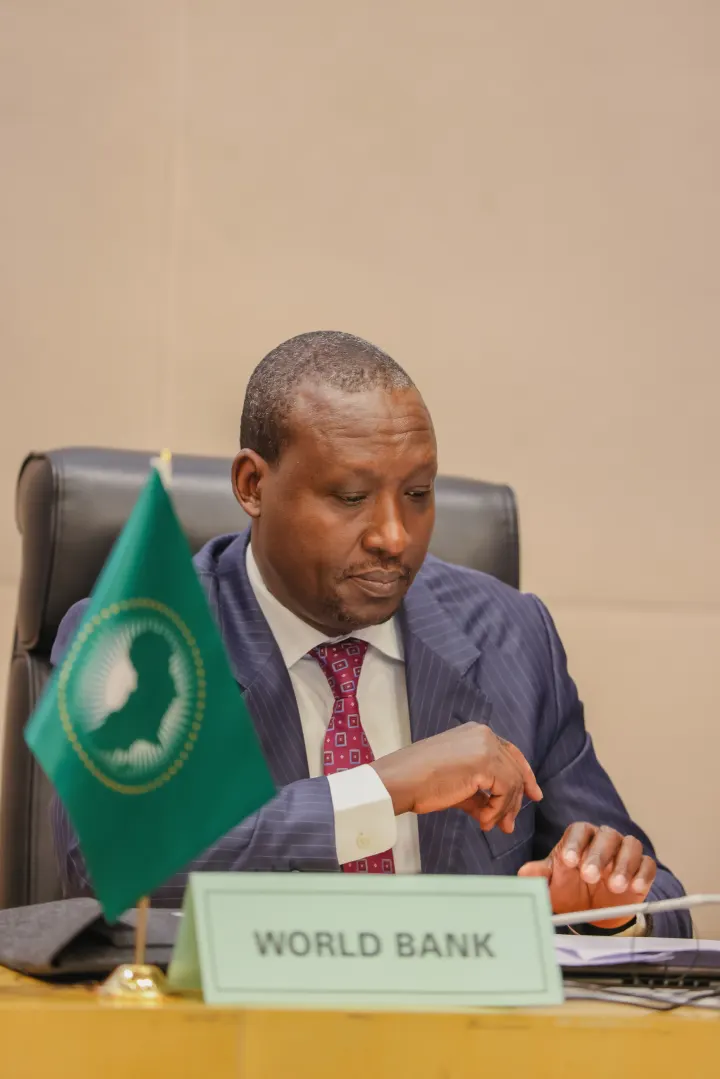
As the African Union’s (AU) development portfolio continues to expand, so too does its responsibility to the people, communities, and institutions it serves. A project is only as strong as its accountability to those it impacts. These principles were at the centre of a two-day Validation Workshop on the Grievance Redress Mechanism (GRM), convened by the African Union Commission (AUC) from 29–30 June 2026 in Addis Ababa, Ethiopia.
The convening organised by the AUC’s Partnerships Management and Resource Mobilisation Directorate (PMRM), marked a critical step in the AUC’s transition from fragmented, project-specific grievance systems toward a harmonised, institutionally anchored mechanism.
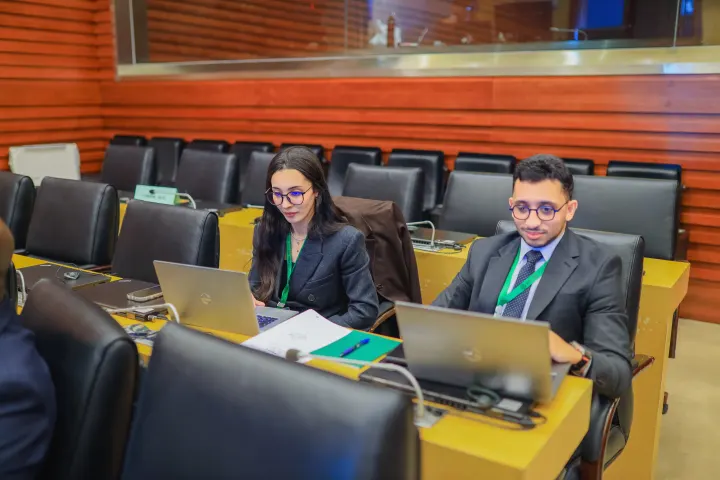
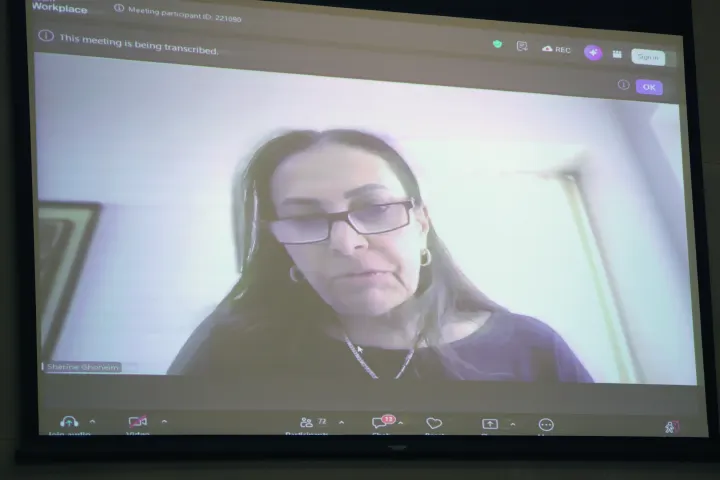
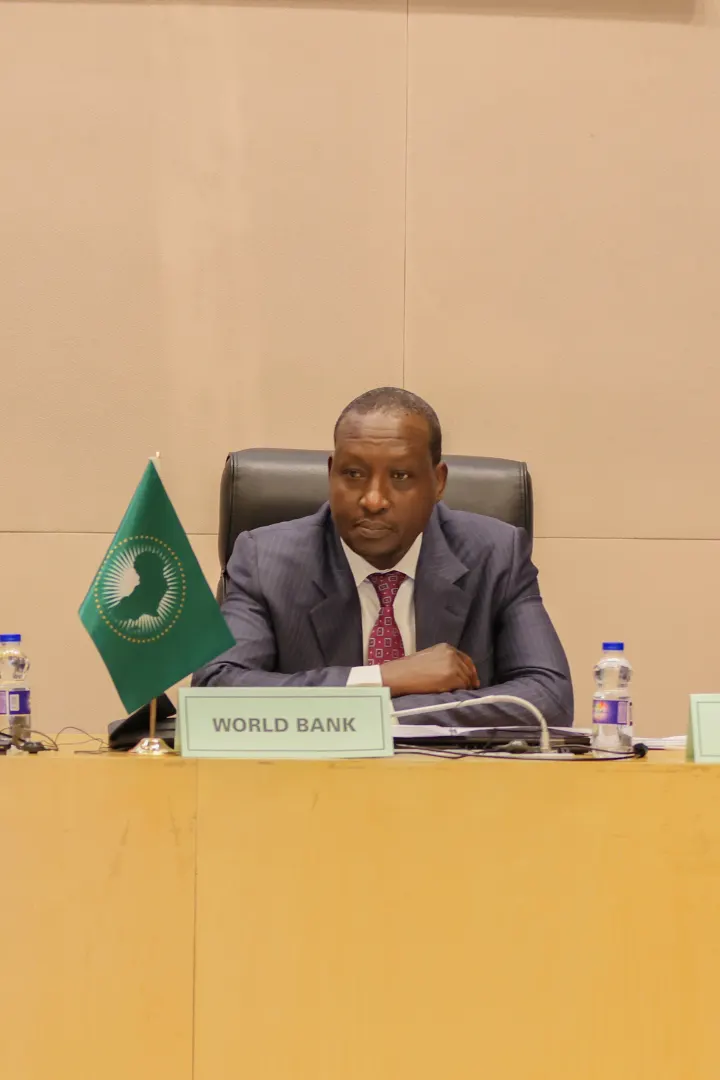
It brought together implementing teams from across the AUC’s World Bank-funded projects, representatives from the Cabinet of the Deputy Chairperson, the AU Office of the Ombudsman, relevant directorates, and stakeholders, including Think Tank consortia under the Africa Think Tank Platform (ATTP).
Participating AUC projects included ATTP, Building Institutions and Systems to Harness and Realise Agenda 2063 (BIASHARA), the East Africa Girls’ Empowerment and Resilience (EAGER), the Food Systems Resilience Project (FSRP), the West Africa Regional Digital Integration Project (WARDIP), the Regional Climate Resilience Project for Eastern and Southern Africa 2 (RCRP2), and STATAFRIC’s regional statistical programmes.
Projects have established GRMs, participants acknowledged that these systems are often inconsistently applied, insufficiently resourced, or largely operational “on paper.” The workshop did not only validate the draft framework but also ensured it is practical, credible, and capable to function across diverse implementation contexts.
A Grievance Redress Mechanism (GRM) is a structured process for receiving, assessing and responding to stakeholder complaints and feedback. Participants emphasised the need for flexible implementation, accessible reporting channels and continuous awareness-raising to ensure the mechanism remains inclusive and responsive across diverse contexts.
Opening the workshop, Tapiwa Moloise, Acting Head of Division at PMRM, positioned grievance redress as central to institutional credibility. As the AUC’s portfolio grows, she noted, so too must its systems for listening and responding to stakeholders. “The workshop is positioned as a critical step in moving from fragmented, project-specific grievance systems toward a coherent, institutionally anchored mechanism that aligns with both AUC governance frameworks and World Bank Environmental and Social Safeguards requirements,” she stated.
The proposed GRM is not intended to replace existing AU institutional systems, such as those related to human resources, procurement, or ethics. Instead, it is designed to complement them by serving as a coordinated entry point for project-related grievances, with clear referral pathways and follow-up mechanisms to ensure accountability across systems.
The AU Office of the Ombudsman was recognised as a critical institutional partner, particularly for its support for mediation, confidentiality, and early dispute resolution. Its non-adversarial and independent approach offers valuable complementarity to the GRM. Participants also emphasised the importance of ensuring impartiality in grievance handling.
The discussions underscored that grievances should be regarded as valuable feedback that can strengthen project design and delivery, rather than viewed negatively. By addressing both actual and perceived harm through a harmonised GRM, the AUC is reinforcing accountability as a core pillar of development practice and building systems that go beyond compliance to listen, respond and learn across its project portfolio.
The next step is to operationalise the GRM by integrating it into project systems, strengthening capacity and sustaining institutional coordination. Marking an important step towards more transparent, responsive and accountable development programming across the AU.